
When the terrain throws you a curveball, an electric winch is one of the smartest upgrades you can add to your 4×4. Mud, sand, deep ruts, wet grass or a steep slope—off-road driving sometimes means that grip simply isn’t enough.
With a reliable electric winch, you can make the difference between being stuck for hours… or continuing your journey safely and in control.
At Lensen Products, you’ll find a carefully selected range of 4×4 winches and off-road winches for both recreational use and more serious recovery situations. Whether you’re looking for synthetic rope, need more pulling power, or are searching for a winch that fits perfectly on your winch bumper—you’ll find the right solution here.
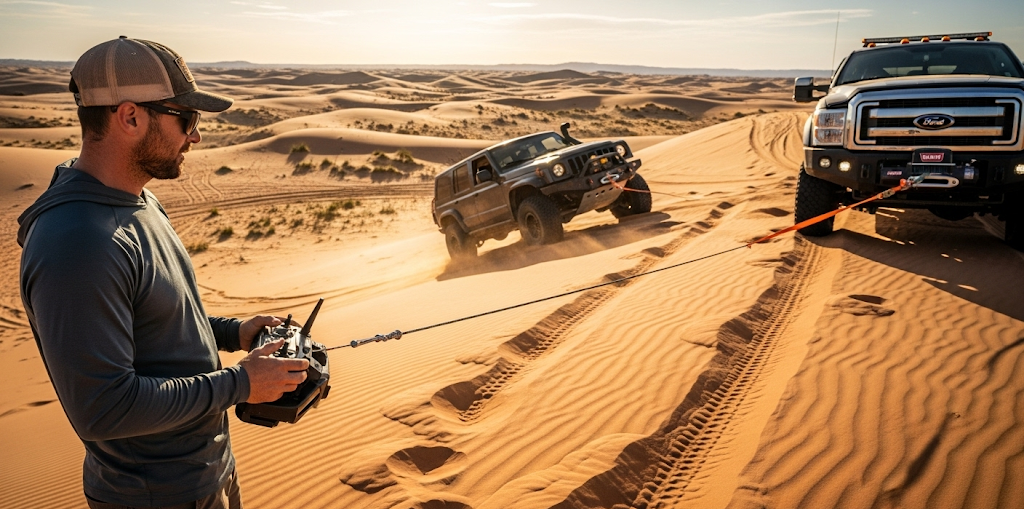
Off-road recovery isn’t just about power, but above all about control, safety and predictability. When you’re stuck, a winch is often the most controlled way to get yourself (or another vehicle) out of a tricky situation—without aggressive acceleration, damage to your vehicle or unsafe towing manoeuvres.
A good 4×4 winch is ideal for:
Off-road conditions can change quickly. With a good off-road winch, you’ll be prepared—without having to rely on outside help.
An electric winch is a recovery tool powered by an electric motor (usually 12V, depending on the model). The winch pulls using a drum onto which a cable or rope is wound. As soon as you activate the winch, the rope is wound in in a controlled manner, generating a pulling force that allows you to move the vehicle.
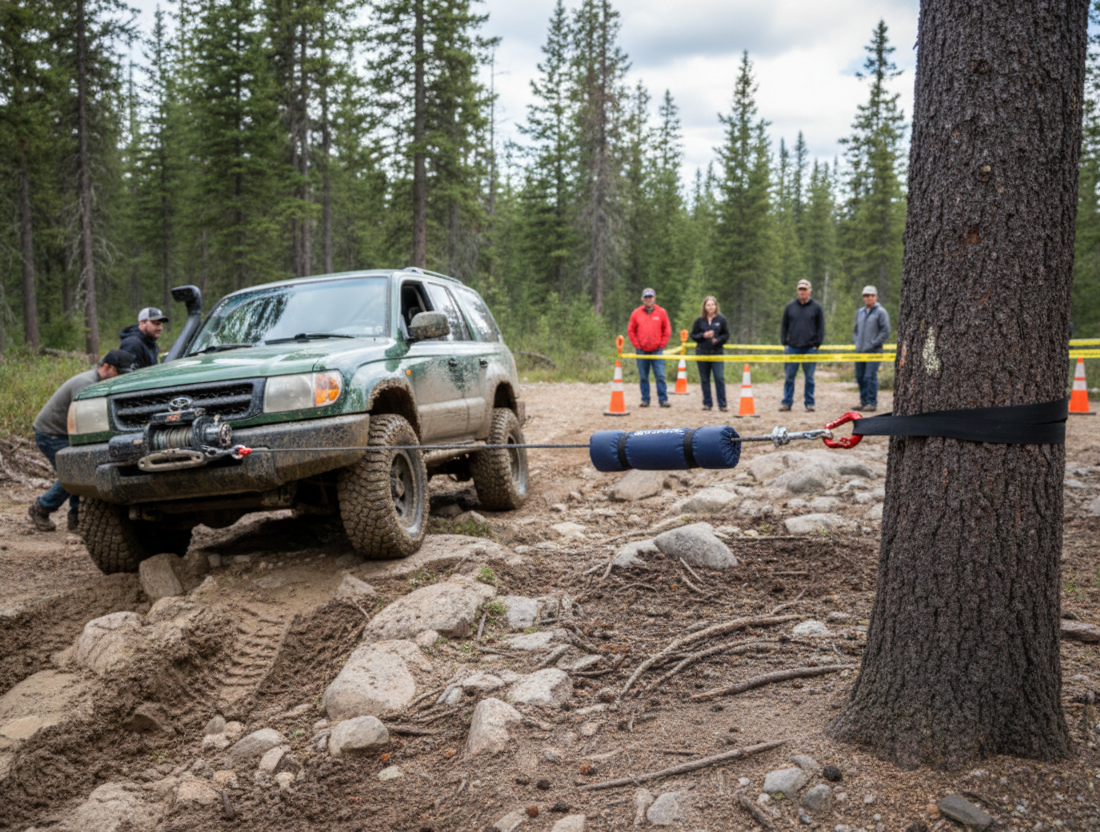
Most electric winches are fitted at the front, often in combination with a winch bumper or a sturdy mounting plate. For recovery, you connect the winch to a reliable anchor point, such as a tree (using a tree sling), a recovery point or another vehicle.
Choosing the right pulling capacity is perhaps the most important step when buying an off-road winch. Winches are often specified with a pulling capacity in lbs (pounds), and that figure represents the maximum pulling capacity under ideal conditions.
But in practice, off-road recoveries are rarely ‘ideal’. Think of sucking mud, loose sandy ground, a slope or a vehicle that has sunk deep into the ground. All these factors can significantly increase the force required.
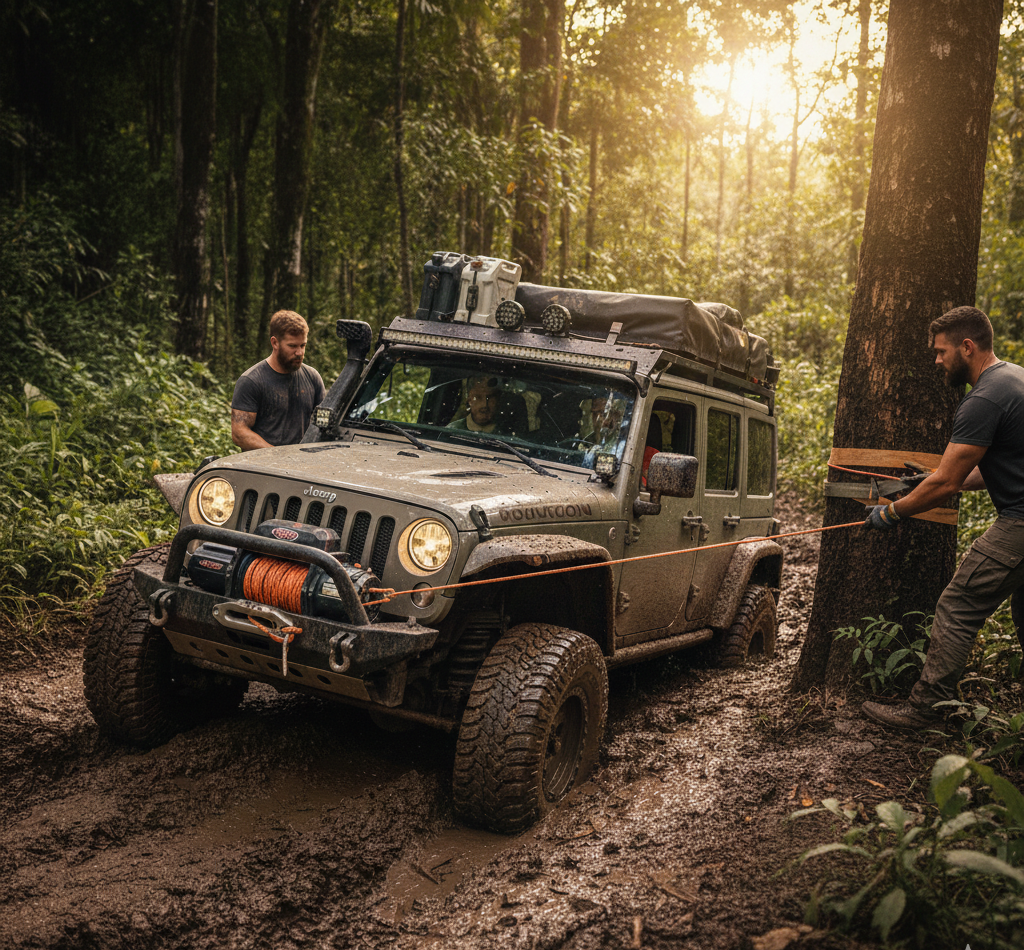
1.5 to 2 times the total vehicle weight (including load)
You should include the following:
Many people underestimate just how demanding a proper recovery can be. A winch that is constantly operating at maximum load is more likely to experience:
A slightly more powerful electric winch often means:
You usually achieve the maximum pulling force with the first layer of rope on the drum. When there are several layers on the drum, the effective pulling force decreases. This is normal and is a feature of any winch system—but it is important to bear this in mind when making your choice.
When choosing an electric winch, the type of line is just as important as the pulling force. You can usually choose between steel cable and synthetic rope. Both have their advantages—but they suit different driving styles and preferences.
A 4×4 winch with synthetic rope is popular because it:
Synthetic rope is ideal for:
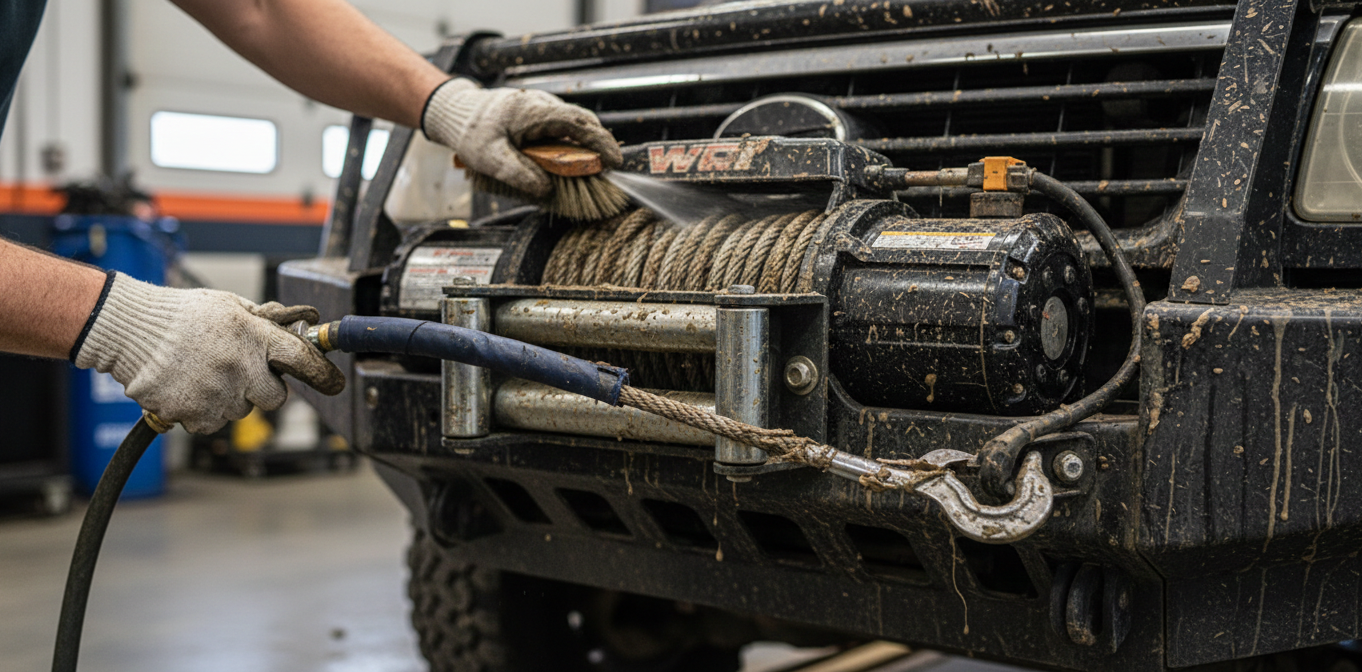
Tip: Synthetic rope does require proper guidance through the correct fairlead and protection from sharp edges.
Steel cable is often chosen because:
However, a steel cable is:
Would you prefer something lighter, easier to use and with a modern, recovery-focused design? Choose synthetic rope.
Are you looking for maximum wear resistance in harsh conditions? If so, steel cable might be the right choice.
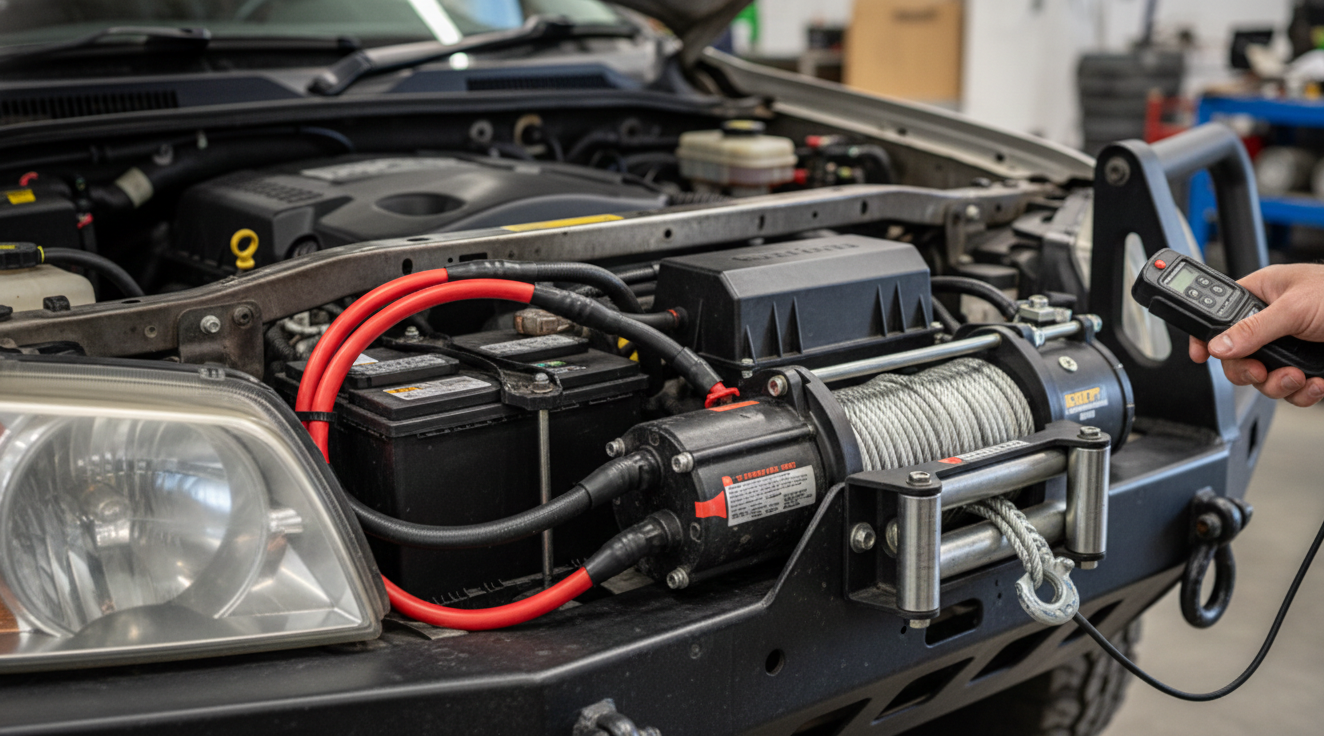
Even the best off-road winch won’t perform well if it isn’t fitted properly. A winch must be fitted securely and correctly, as enormous forces are exerted on the mounting point during recovery operations.
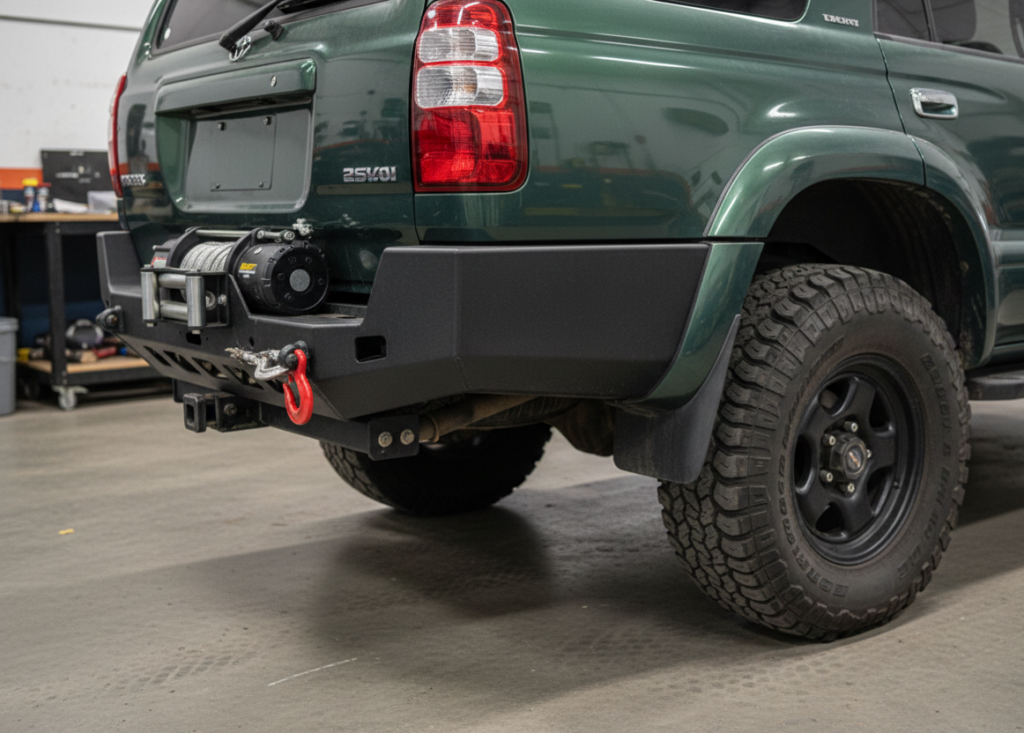
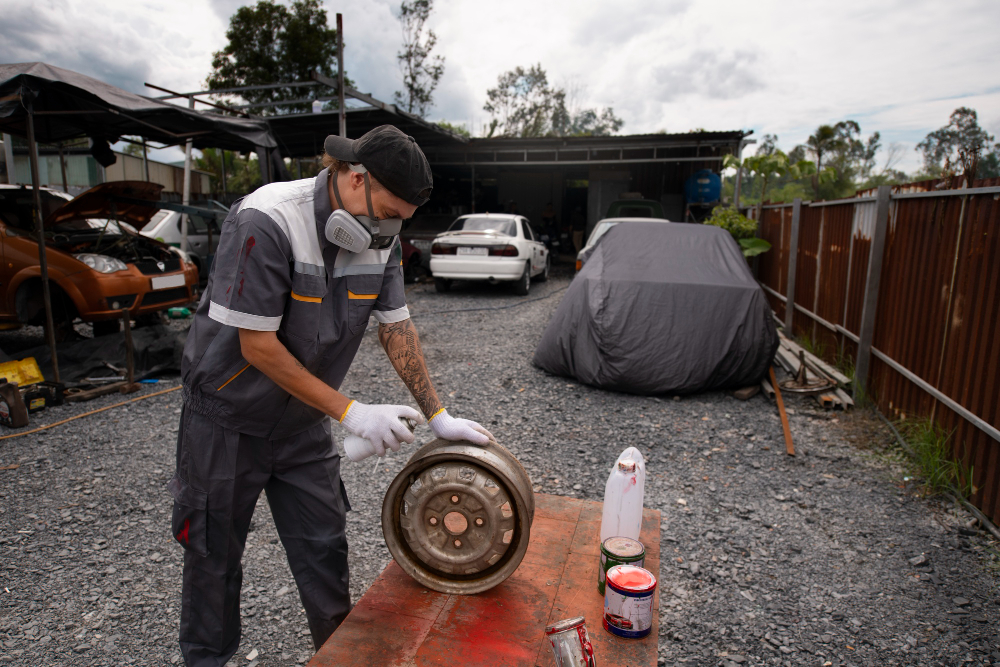
Even the best off-road winch won’t perform well if it isn’t fitted properly. A winch must be fitted securely and correctly, as enormous forces are exerted on the mounting point during recovery operations.
A winch is a powerful tool-and that is precisely why correct use is so important. With the right approach, winching is one of the safest ways of recovery. Without preparation or the wrong techniques, it can be risky.
A safe guideline is to opt for about 1.5x to 2x the total weight of your vehicle, including load. Mud, sand and slopes often require more power, so a higher capacity gives extra security.
Synthetic rope is lighter, easier to use and often perceived as safer. Steel rope is more durable, but heavier and can fray. The right choice depends on your riding style, terrain and personal preference.
A winch bumper is one of the most sturdy and popular solutions, but not always mandatory. Some vehicles use a mounting plate or chassis bracket. The important thing is that the mounting is strong, correct and safe.
Many customers can install a winch themselves with proper tools and mechanical knowledge. However, correct mounting strength, wiring safety, and fairlead alignment are critical-if you're not sure, it's best to ask for advice.
A good electric winch gives you greater freedom, confidence and control on every off-road trip. Whether you only venture off-road now and then or use your 4×4 extensively, the right winch completes your setup.
Are you unsure about the right model, pulling force or type of rope? We’d be happy to help you with honest and practical advice.


